How to Plan a Houston Party Your Guests Won’t Want to Leave
September 19, 2026
What Size Event Space Do I Need for My Party?
September 23, 2026
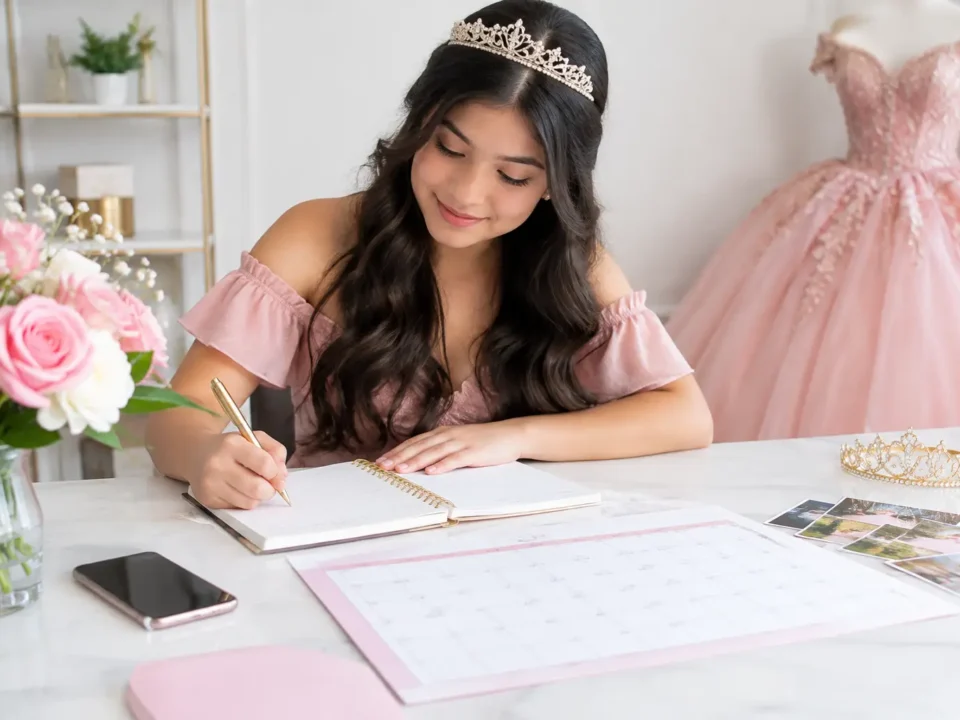
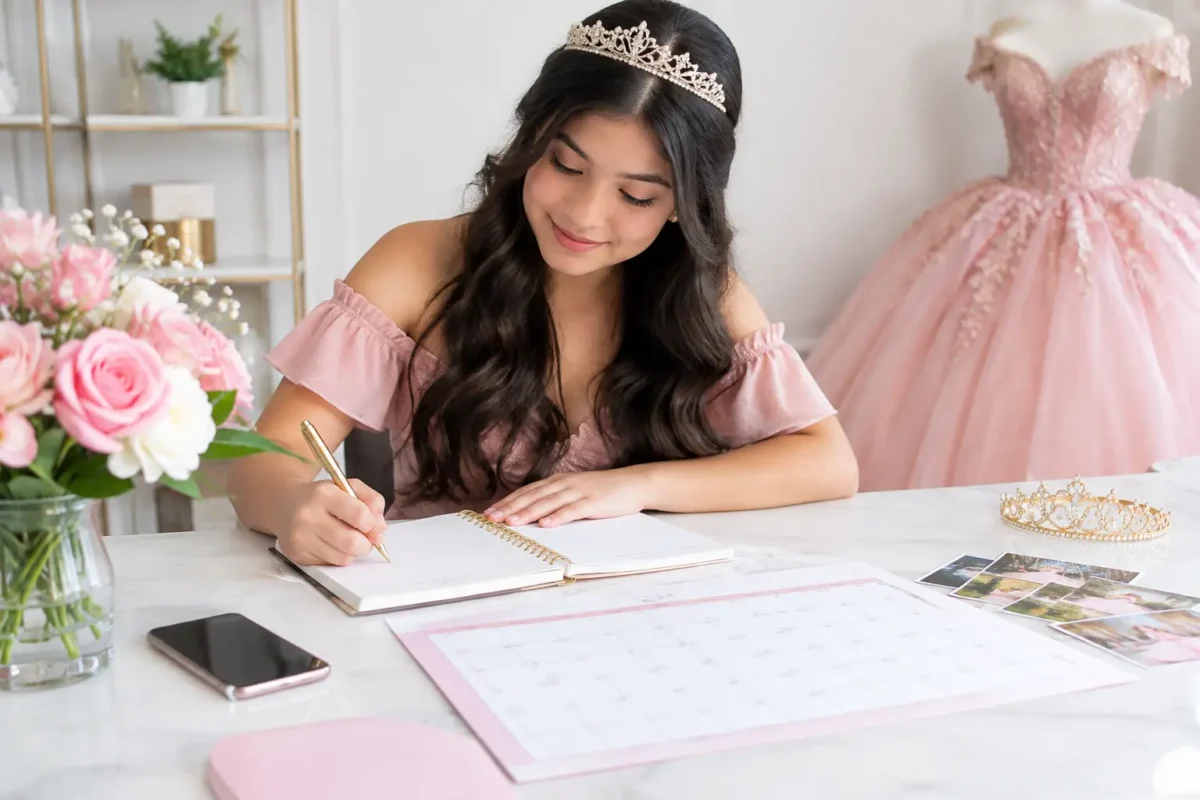
A milestone deserves more than a group text, a grocery-store cake, and a last-minute reservation. Whether you are planning a quinceañera, a 50th birthday, a baby shower, retirement party, bridal shower, or wedding reception, this milestone party planning guide helps you make the big decisions early so you can actually enjoy the celebration when it arrives.
The goal is not to copy someone else’s event. It is to create a party that feels like your family, your traditions, and your guest of honor – while keeping the budget and logistics under control. No cookie-cutter events here.
Start With the Reason for the Celebration
Before choosing colors, centerpieces, or a menu, get clear on what the day needs to feel like. A 16th birthday may call for a high-energy dance floor and a photo-ready backdrop. A 60th birthday might be more about a great meal, speeches, and comfortable seating where generations can catch up. A bridal shower may be light, polished, and intimate, while a wedding reception needs room for dinner, dancing, and the moments people will remember years from now.
Ask the guest of honor a few simple questions: What part of the celebration matters most? Who absolutely needs to be there? Do they want something formal, relaxed, playful, elegant, or somewhere in between? Those answers should guide every choice that follows.
Traditions matter, too. For a quinceañera, that could mean space for the court, a grand entrance, formal dances, and a dessert display. For a baby shower, it may mean comfortable tables for family, gift opening, and games that do not take over the entire afternoon. A wedding celebration may need a ceremony layout, cocktail hour flow, and a reception plan that keeps guests moving naturally from one moment to the next.
Build Your Guest List Before You Book
Guest count is one of the biggest drivers of venue cost, food, seating, and room layout. Start with your must-have guests, then create a second list of people you would love to include if space allows. This gives you flexibility without forcing you to make decisions under pressure later.
Do not choose a room based only on its maximum capacity. A space that technically fits 100 people can feel very different depending on whether you need banquet tables, a buffet, a dance floor, a DJ setup, a gift table, a dessert station, and a photo booth. A seated bridal shower for 40 has different needs than a cocktail-style 40th birthday for 40.
A smaller room can create a warm, intentional atmosphere for 30 guests. A larger hall makes sense when you are welcoming extended family, planning formal dances, or combining a wedding ceremony and reception in one place. The right fit is about comfort and flow, not just filling seats.
Plan for the People Who Are Actually Coming
If your family tends to bring plus-ones, account for that from the beginning. If invitations are going to out-of-town guests, expect a different response rate than you would for a neighborhood gathering. For large milestone events, send invitations early and include a clear RSVP date. That final number protects your budget and helps your vendors prepare properly.
Set a Budget That Protects the Experience
A realistic budget is not about cutting every detail. It is about spending on the elements your guests will notice and your family will remember. For most milestone celebrations, the venue, food and drinks, décor, entertainment, and photography or photo experiences take the largest share.
Begin with a total number you are comfortable spending, then reserve a small cushion for taxes, gratuities, last-minute additions, and those details that tend to appear near the finish line. It is much easier to add a special upgrade later than to recover after overspending too early.
All-inclusive packages can make budgeting simpler because several major pieces are handled together. Depending on the package, that may include décor, a coordinator, uplighting, sound, or a 360 photo booth. A basic venue rental can be the better choice when you already have trusted vendors, have a specific caterer in mind, or want complete control over every detail.
Neither route is automatically better. It depends on your time, your planning confidence, and how many decisions you want to manage. A bundled option can reduce the number of calls and contracts. A more flexible rental can give you room to build a highly specific vision.
Choose a Venue That Works as Hard as You Do
A beautiful room is a great start, but it should also make the party easier to host. Look beyond the first impression and picture how guests will use the space from arrival to farewell. Is there room for welcome signage? Where will gifts go? Can grandparents sit comfortably away from speakers? Will the DJ, band, or playlist setup have enough room without crowding the dance floor?
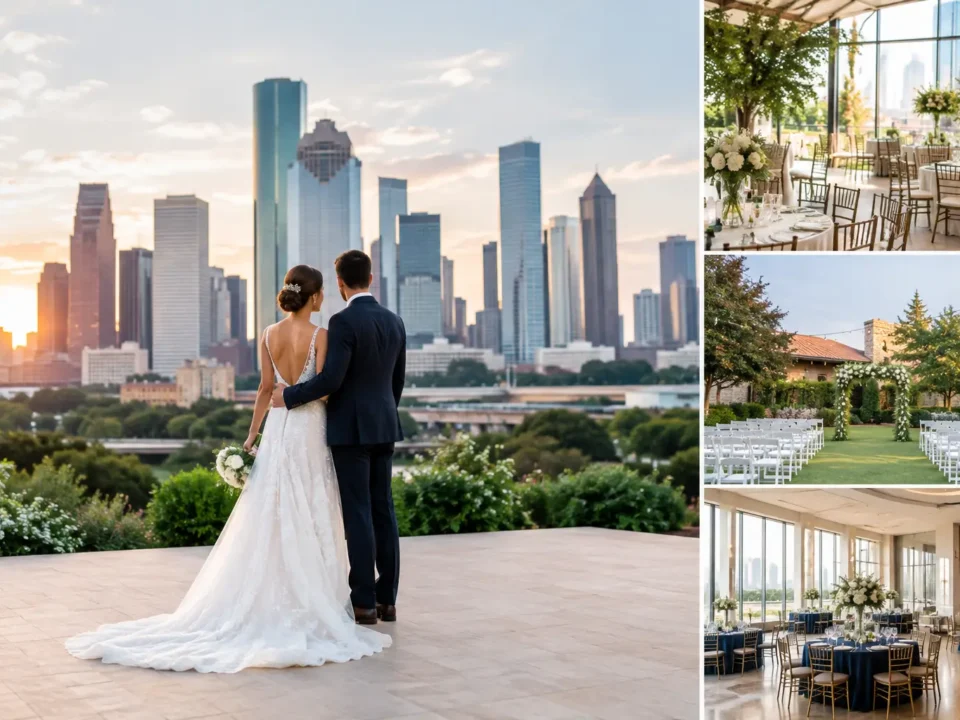
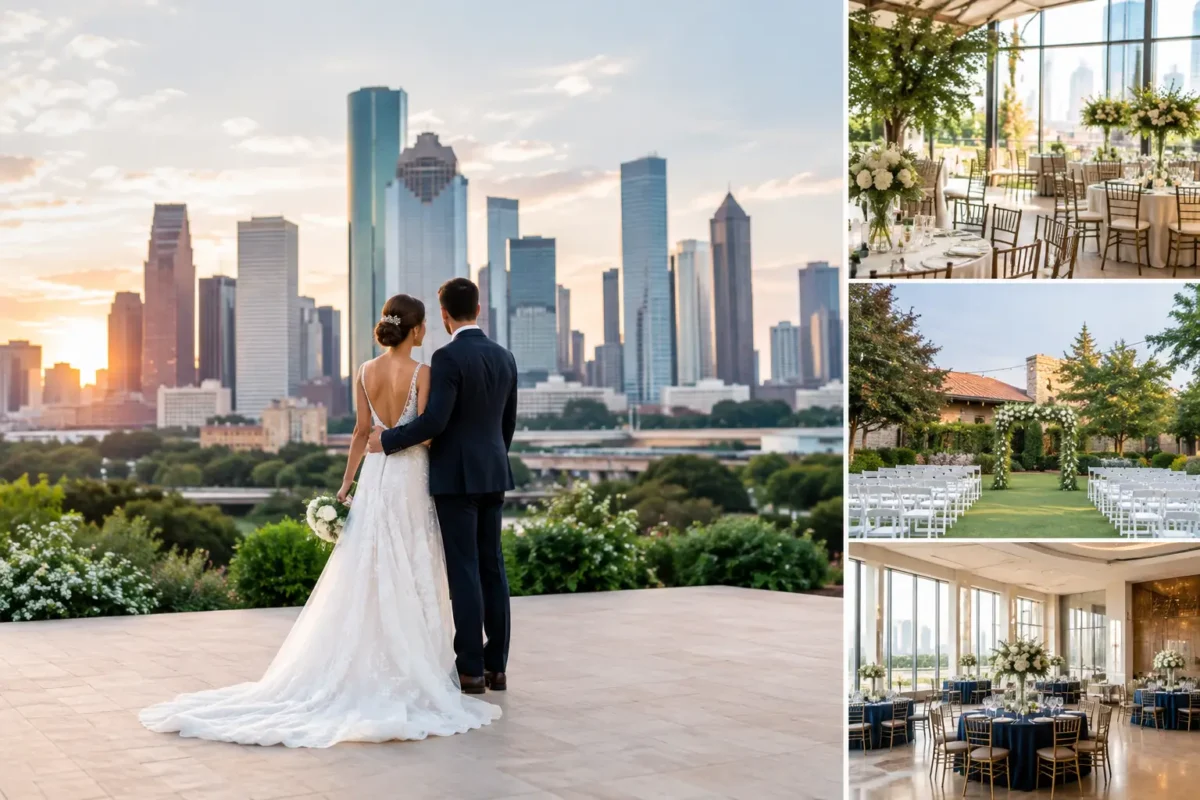
For weddings, think through the full schedule rather than treating the reception as one long block of time. If you are holding the ceremony and wedding reception at the same venue, ask how the room can transition between events. A thoughtful layout saves time, keeps guests engaged, and gives your photographer better opportunities to capture each part of the day.
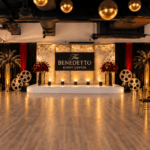
At The Benedetto Event Center, hosts can choose from spaces designed for celebrations from intimate gatherings of 30 to larger events of up to 250 guests. That range makes it easier to select a room based on the experience you want, not a one-size-fits-all package.
Tour With Your Event in Mind
Bring your rough guest count and a short list of must-haves to every venue tour. Mention if you want a head table, a sweetheart table, a dance floor, a dessert wall, a champagne toast, or a ceremony setup. Ask what is included, what you may bring in, and what timing is available for decorating and vendor arrival.
Clear answers now prevent frustrating surprises later. You should leave a tour understanding the layout, package options, available enhancements, and the next step to secure your date.
Make the Theme Personal, Not Overcomplicated
The strongest event design choices usually begin with one clear idea. It might be a color palette inspired by the guest of honor’s favorite shade, a garden-party bridal shower, a black-and-gold birthday dinner, or a romantic wedding reception with warm lighting and classic florals.
Pick two or three design anchors and repeat them throughout the event. For example, your invitation, welcome sign, linens, cake display, and photo backdrop can all share the same colors or style. This looks polished without requiring every table to have a different theme.
Lighting can do more for the room than a long list of small decorations. Uplighting adds warmth, supports the color palette, and helps a larger hall feel more intentional. A 360 photo booth gives guests something to do between key moments while also creating shareable memories. Choose additions that serve the party, not decorations that create more setup stress.
Build a Timeline With Breathing Room
Guests rarely remember whether every activity began exactly on schedule. They do remember whether the party felt rushed. Give each important moment room to happen naturally, especially when family photos, formal entrances, toasts, dances, or gift opening are involved.
For a typical evening celebration, guests may arrive and mingle first, followed by a welcome or entrance, food service, speeches, cake, and dancing. The order can change based on your family’s traditions. What matters is avoiding too many back-to-back announcements that keep people in their seats all night.
If children, older relatives, or out-of-town guests are attending, schedule the most meaningful moments earlier. That could mean the quinceañera waltz, birthday tribute, or wedding toasts happen before the late-night dance set. Your guest of honor should not have to wait until the final hour for the moment everyone came to celebrate.
Assign the Day-Of Decisions to Someone Else
Even the best planner should not be answering vendor questions while getting dressed or greeting guests. Choose a reliable point person who can handle small decisions, direct deliveries, and keep the timeline moving. This may be a coordinator, a trusted family member, or a professional planner.
Give that person a simple event sheet with vendor contacts, key times, the order of events, and answers to common questions. Include who is authorized to make changes if something unexpected comes up. This is especially useful for wedding receptions, where the couple should be focused on each other, not tracking down extra chairs or checking on cake delivery.
Your celebration does not need to be perfect to be meaningful. It needs to feel welcoming, organized, and true to the person you are honoring. Choose the details that make people smile, build in support where you need it, and leave enough space in the plan to enjoy the room when it is full of the people you love.