
12 Best Baby Shower Venue Ideas for Houston
July 17, 2026
How to Pick an Engagement Party Venue in Houston
July 21, 2026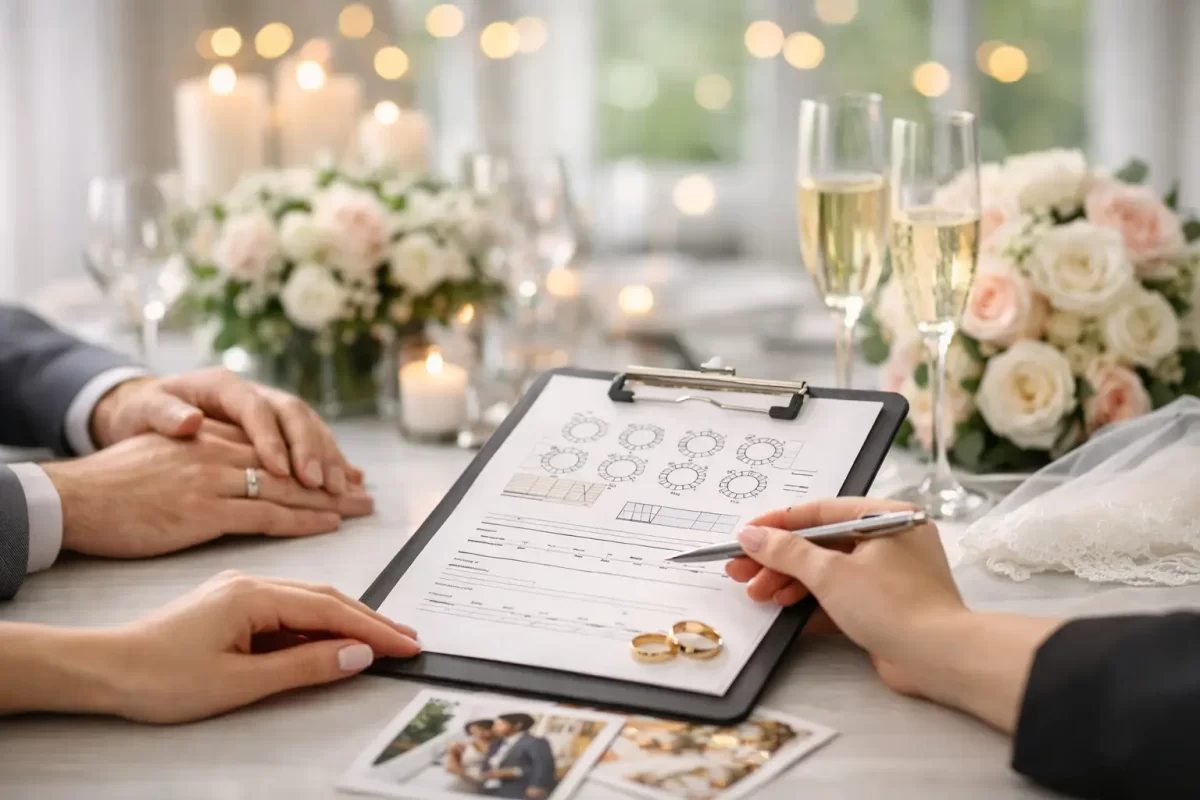
The best wedding receptions feel effortless to guests, but they are built on a few smart decisions made early. If you are figuring out how to plan a wedding reception, start by deciding what you want people to remember: the food, the dance floor, the family traditions, the elegant décor, or simply the feeling of everyone being together. That answer will guide nearly every choice that follows.
You do not need a cookie-cutter event or a complicated spreadsheet with a hundred moving parts. You need a clear plan, a realistic budget, and a venue setup that gives you room to celebrate your way.
Start With Your Reception Priorities
Before booking vendors or choosing centerpieces, sit down as a couple and choose your top three reception priorities. Maybe a packed dance floor matters more than a formal seated dinner. Maybe you want gorgeous photos, a large buffet with family favorites, or enough time for meaningful toasts. There is no wrong answer, but trying to make every detail the biggest priority can stretch both your budget and your timeline.
This is also the right moment to decide how formal the celebration should feel. A black-tie dinner, a romantic cocktail reception, and a lively family-style party all require different layouts, menus, attire expectations, and entertainment. Your reception can be polished without being overly formal. It can also be traditional, modern, cultural, or a mix of everything that feels like you.
If your wedding weekend includes a bridal shower, rehearsal dinner, or post-wedding brunch, consider the full celebration schedule before committing your budget. Spending wisely on the reception does not mean cutting out the moments that matter. It means putting your resources where they will have the biggest impact.
Set the Guest Count Before You Fall in Love With Details
Your guest count shapes the venue, catering cost, table layout, bar needs, invitations, favors, and even how much space you need for dancing. Start with a draft list, then separate guests into must-invite, would-love-to-invite, and optional groups. This makes it easier to adjust if your budget or venue capacity calls for a smaller celebration.
Do not assume a larger room is always better. A space that is too large for your guest count can feel empty unless it is styled carefully. On the other hand, a room that is too tight leaves little space for a dance floor, buffet line, photo booth, gift table, or comfortable seating. The right fit creates energy without making guests feel crowded.
For Houston couples, flexibility can make all the difference. An intimate reception of 30 people needs a different setting than a celebration for 200 guests. Choosing a venue with room options can help you match the space to your actual attendance rather than paying for more than you need.
How to Plan a Wedding Reception Budget That Works
Start with the total amount you are comfortable spending, not the number you hope will somehow work out later. Then assign rough percentages to the major categories: venue, food and beverages, décor, entertainment, photography, attire, and any cultural or family traditions that require dedicated spending.
The venue is often the foundation of the budget because it affects so many other choices. Ask what is included before comparing rental prices. A lower room rate may not be the better value if you still need to source tables, chairs, linens, lighting, a sound system, décor, setup support, and a coordinator. A package with those essentials included can reduce the number of vendors you have to manage.
At the same time, all-inclusive does not have to mean giving up control. Some couples want a nearly turnkey celebration, while others already have a caterer, decorator, DJ, or planner they trust. Look for a venue that lets you choose the level of support you need. You are in control of whether convenience, customization, or a balance of both is the best fit.
Keep a small contingency amount for last-minute needs. Extra guests, upgraded linens, vendor meals, transportation, and late additions can happen. A buffer gives you flexibility without turning a surprise into a stressful decision.
Choose a Venue That Supports the Flow of the Night
A beautiful reception is not only about what guests see when they walk in. It is about how easily the evening moves from one moment to the next. Think through the guest experience: arrival, cocktails, seating, dinner, toasts, cake cutting, dancing, and exit.
Ask potential venues where the welcome table, guest book, gift area, buffet, bar, DJ, photo booth, and dance floor will go. A 360 photo booth can become a favorite guest activity, but it needs a location that does not block traffic or compete with the dance floor. Uplighting can transform a room quickly, especially when it coordinates with your wedding colors, but it should enhance the room rather than overwhelm it.
Also ask practical questions. What time can vendors arrive? Who handles setup and breakdown? Is there a getting-ready area? Is there space for a private first look or a small ceremony before the reception? Does the venue provide sound equipment for toasts and speeches? These details are not glamorous, but they protect the experience you are planning.
At The Benedetto Event Center, couples can choose from distinct spaces for more intimate wedding celebrations through larger receptions, with customizable packages or a basic rental option. That kind of flexibility matters when you want the event to reflect your vision instead of fitting your vision into a preset formula.
Build a Reception Timeline With Breathing Room
A reception timeline should give guests structure without making the night feel rushed. Most couples need more time than expected for photos, greetings, dinner service, and family conversations. Build in short buffers, especially between the ceremony, cocktail hour, and reception entrance.
For a typical evening reception, guests may arrive for cocktails while the couple finishes photos. Then come the grand entrance, first dance, welcome toast, dinner, speeches, parent dances, cake cutting, and open dancing. You do not have to follow that exact order. If your crowd is ready to dance early, open the floor sooner. If a formal dinner is important to your family, let it have its moment.
The key is giving your DJ, coordinator, photographer, caterer, and wedding party one shared timeline. Everyone should know when special moments are happening and who is responsible for keeping them moving. This is especially helpful for cultural traditions, surprise performances, outfit changes, or a late-night dessert setup.
Make Food, Music, and Décor Feel Connected
Your reception does not need one literal theme, but it should feel cohesive. Think of your colors, menu, music, table settings, floral choices, and signage as parts of the same story. A modern white-and-gold reception may call for clean décor, warm uplighting, and a refined dinner setup. A bright, high-energy celebration may lean into bold colors, a lively playlist, and interactive stations.
For food, choose service that suits the atmosphere and guest list. A plated dinner feels formal and timed. A buffet gives guests choice and often works well for larger groups. Family-style service feels warm and communal, while stations can keep the room active and social. Consider dietary needs early, but do not feel pressured to create a menu that pleases every single person. Choose food you are excited to serve.
Music deserves the same care. A DJ can keep the night moving and adjust to the crowd, while a live band creates a different kind of energy. Share your must-play songs, do-not-play list, cultural favorites, and the songs that will bring your people to the dance floor. The goal is not to impress every guest with your taste. It is to create moments that feel like your celebration.
Confirm the Details Without Losing the Joy
In the final month, confirm vendor arrival times, payments, floor plans, final guest count, menu selections, and the reception timeline. Assign a trusted person to handle day-of questions so you are not answering calls about candles, deliveries, or missing place cards while getting ready.
Pack a small reception kit with essentials such as safety pins, stain remover, pain reliever, a phone charger, comfortable shoes, and copies of the timeline. It is a simple step, but it helps everyone stay calm when tiny surprises pop up.
Your wedding reception is not a performance that has to be perfect. It is the part of the day where your favorite people get to celebrate the life you are building. Plan the pieces that make that possible, leave room for real moments, and let the joy in the room do the rest.