
How to Choose Event Venue Size Without Guesswork
September 29, 2026
What to Book in a Houston Graduation Party Hall
October 3, 2026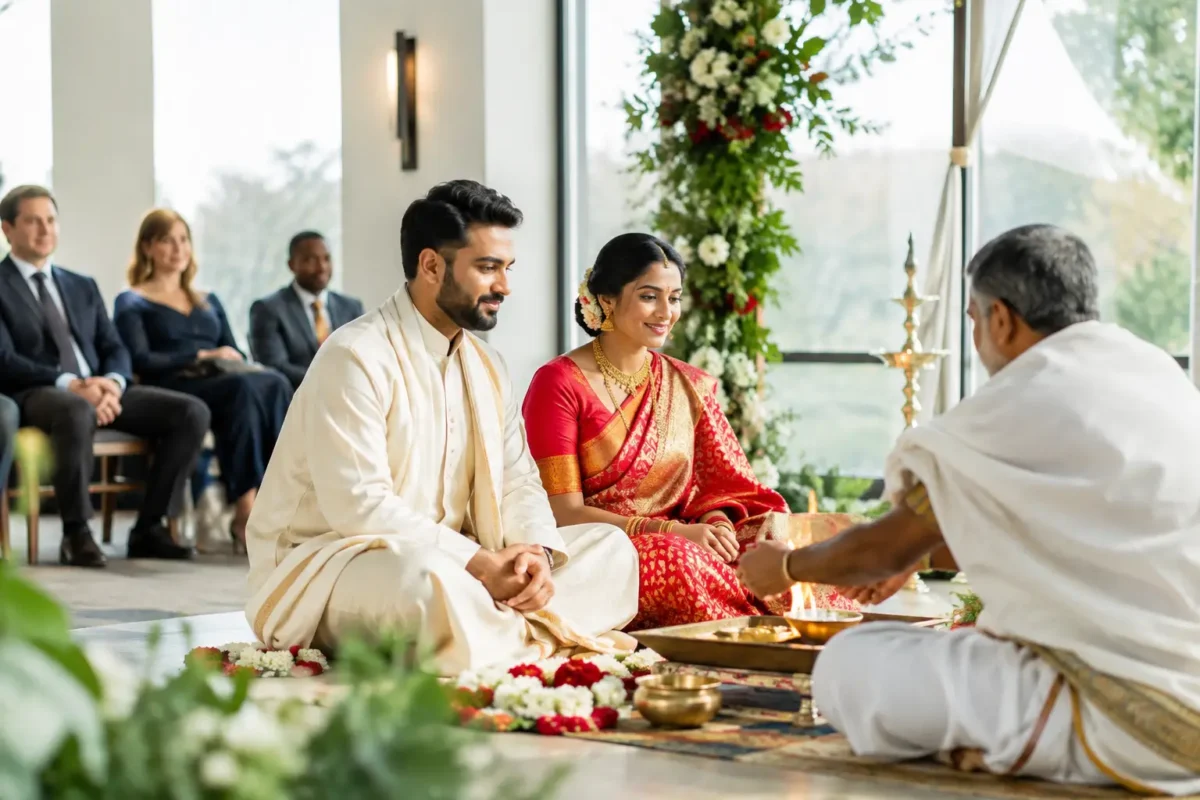
A cultural ceremony is not an add-on to your celebration. It is often the moment that gives the entire day its meaning – whether that means a tea ceremony before a wedding reception, a quinceañera blessing, a henna celebration, a traditional dance, or a family-led ritual that has been honored for generations. So, can venues accommodate cultural ceremonies? Absolutely, but the right fit comes down to more than a pretty room.
The best venue gives you space to celebrate your traditions with confidence while making the practical details easier: guest flow, timing, food, décor, music, privacy, and the people who help bring it all together. No cookie-cutter events here. Your ceremony should feel like your family, your culture, and your vision.
Can Venues Accommodate Cultural Ceremonies?
A flexible venue can accommodate many cultural ceremonies when the team is willing to listen, the room layout supports the event, and policies are clear before you book. The question is not simply whether a venue has enough chairs. Ask whether it has the flexibility to support the way your celebration actually unfolds.
For some families, that means creating a dedicated ceremony area before guests move into dinner and dancing. For others, it means allowing extra setup time for a mandap, chuppah, ceremonial table, altar, stage, floral display, or family seating. A wedding venue may also need to support multiple moments in one day, such as a private first look, a traditional ceremony, cocktail hour, dinner, and a high-energy wedding reception.
Every tradition has different needs. A venue that works beautifully for a bridal shower may need a different floor plan for a large cultural wedding celebration. That is why a conversation about your plans should happen early, before you commit to a package or start designing your décor.
Start With the Ceremony, Not the Room
It is easy to fall in love with photos of uplighting, elegant tables, and a dramatic dance floor. Those details matter, but they should come after you understand what your ceremony requires.
Think through the sequence of your event. Will guests arrive and go directly into a ceremony? Does the ceremony need a quiet, intimate setting before the room shifts into reception mode? Will elders, sponsors, or immediate family need reserved seating near the front? Are there readings, blessings, performances, processions, or meaningful entrances that require a clear aisle and enough open space?
A strong venue partner will ask these questions with you. The goal is not to make your traditions fit a standard floor plan. The goal is to build a floor plan around the moments that matter most.
For weddings, this can also mean planning a comfortable transition between the ceremony and reception. Guests should know where to go next, where to find refreshments, and when the next part of the celebration begins. A well-organized room change can feel effortless to guests, even when there is a lot happening behind the scenes.
Ask About Space, Capacity, and Layout Flexibility
Guest count matters, but it is only one part of the equation. A room that technically fits your guest list may feel tight once you add a ceremony setup, sweetheart table, head table, dance floor, DJ, photo booth, buffet, or dessert display.
Ask to see layout options based on your real event plan. If your ceremony includes a larger installation or several family members at the front, you may need more open floor space than a standard banquet setup provides. If your cultural ceremony includes dancing, musicians, or a grand entrance, make sure those moments have room to shine rather than compete with dining tables.
At The Benedetto Event Center, different hall sizes make it easier to match the space to the celebration, from smaller gatherings of around 30 guests to larger events of up to 250. That flexibility can be especially helpful for couples planning an intimate ceremony and a bigger wedding reception, or families hosting a bridal shower, engagement party, rehearsal dinner, and wedding celebration with different guest counts.
It also helps to ask whether the room can be divided into distinct zones. A ceremony area, dining area, lounge moment, and dance floor can all work in one space when the layout is intentional. The exact setup depends on your guest count and priorities, so do not settle for a generic diagram.
Confirm Vendor and Food Policies Early
Food is often one of the most meaningful parts of a cultural celebration. Your menu may include family recipes, traditional caterers, specialty desserts, ceremonial items, or dietary requirements that cannot be replaced with a standard menu.
Before booking, ask whether you may bring in your own caterer, baker, décor team, photographer, DJ, or cultural specialists. Some venues have exclusive vendors. Others offer preferred options while allowing outside professionals. Neither approach is automatically better. The right choice depends on how much control you want and whether the venue’s included services match your needs.
If you plan to bring food from a restaurant, family kitchen, or specialty caterer, clarify practical details. Is there a prep area? Can food be kept warm? Is refrigeration available? Who handles serving, cleanup, and trash removal? These questions may not be glamorous, but they prevent stressful surprises on the event day.
The same applies to décor. If you are bringing candles, florals, fabric draping, ceremonial items, or a custom structure, ask what is permitted and what setup time is available. A flexible rental can be ideal when you have trusted vendors and a very specific vision. A fuller package can be the smarter route when you want décor, sound, lighting, and coordination handled in fewer steps.
Build the Timeline Around What Matters Most
Cultural ceremonies often run on family time as much as venue time. Relatives may be traveling in, several generations may be participating, and traditions may take longer than a standard ceremony schedule suggests. Give your timeline breathing room.
Plan for vendor arrival, décor installation, photography, family portraits, ceremonial transitions, and any wardrobe changes. If a ceremony is expected to begin at 5:00, that does not necessarily mean guests should arrive at 5:00. A thoughtful schedule protects the experience for everyone, especially if older guests, young children, or out-of-town family members are involved.
Music is another timing detail worth discussing. Whether you need a sound system for speeches, live musicians, cultural performances, or a packed dance floor, test the plan in advance. Confirm microphone availability, speaker placement, music volume guidelines, and who will manage cues. Great sound keeps guests connected to the moment. Poor sound can make a meaningful ceremony hard to hear.
Make Guest Comfort Part of the Plan
The most memorable celebrations feel welcoming to every generation. That means considering seating, accessibility, temperature, parking, restrooms, and the pace of the day.
If your ceremony includes elders or guests with mobility needs, make sure they can enter comfortably, reach their seats easily, and move between ceremony and reception spaces without confusion. If children will attend, think about where families can step out briefly without missing everything. If your celebration includes a long ceremony followed by dinner and dancing, comfortable seating and a clear schedule become even more valuable.
Privacy may matter, too. Some families prefer a more private setting for a religious or family-centered ritual before opening the celebration to a wider guest list. Ask whether the venue can support that flow. A separate room, a curtained area, or a planned transition can make the event feel more personal without adding unnecessary complexity.
Choose Support That Matches Your Planning Style
There is no single right way to plan a cultural ceremony. Some hosts want to choose every vendor and direct every detail. Others want one experienced team to coordinate décor, lighting, entertainment, and event flow. Both can lead to a beautiful celebration.
What matters is knowing what is included and what remains on your plate. If you choose a basic venue rental, make sure you understand who is responsible for setup, décor removal, vendor coordination, and end-of-night cleanup. If you choose a bundled package, ask exactly how customization works. You should not have to give up meaningful colors, traditions, foods, or cultural elements just because you want planning support.
A coordinator can be particularly helpful for weddings and wedding receptions with several moving parts. They can keep the timeline on track, communicate with vendors, guide family members through transitions, and give you more time to be present with the people you invited.
Your celebration deserves a venue that sees tradition as a strength, not a complication. Bring your ceremony details to the first conversation, ask direct questions, and choose a space that gives your family room to gather, honor what matters, and celebrate without having to shrink the vision.