
How to Book an Event Venue Fast Without Settling
August 30, 2026
How to Rent a Wedding Reception Hall in Houston
September 3, 2026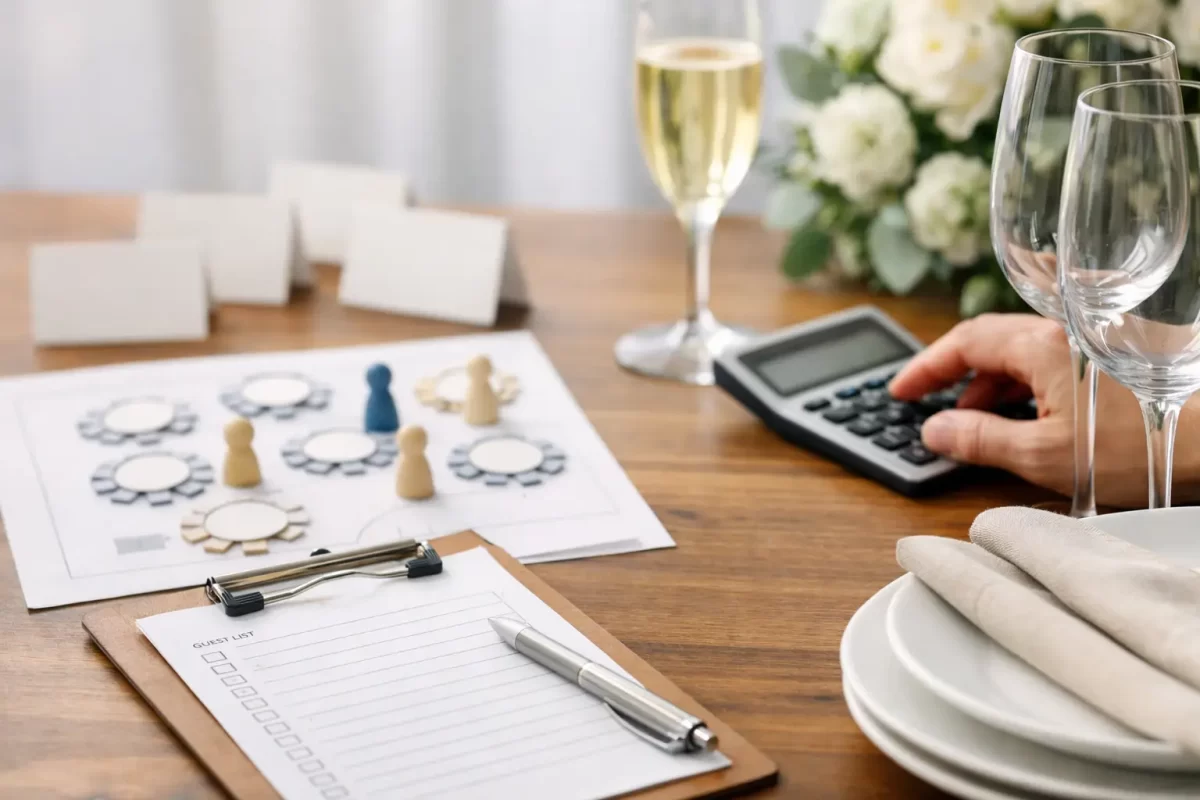
A room can look completely different with 40 guests than it does with 140. Too much empty space can make an intimate bridal shower feel flat. Too little space can turn a joyful wedding reception into a crowded, hard-to-navigate evening. This guest count planning guide helps you make a confident call before you book a venue, order catering, or start building your seating chart.
Guest count is more than a headcount. It affects your budget, your event flow, the room you choose, and how comfortable your guests feel from the first welcome toast to the final photo. The goal is not simply to fill seats. It is to create a celebration that feels full of energy, personal, and easy to enjoy.
Start With the Event You Want to Create
Before you ask, “How many people can we invite?” ask what kind of experience you want your guests to have. A lively quinceañera with dancing needs room for tables, a dance floor, a DJ setup, and photo moments. A baby shower may need more space for gift tables, games, and a dessert display. A wedding ceremony and reception in the same venue need a thoughtful transition plan, especially if you want guests to move comfortably from vows to cocktails to dinner.
Think about the atmosphere first. Do you picture a close-knit birthday dinner where everyone can talk across the room? A high-energy reception with a packed dance floor? A polished bridal shower where every guest can see the décor and participate in the fun? Your answer helps determine whether a smaller space, a mid-size hall, or a larger room is the better fit.
At The Benedetto Event Center, that flexibility matters. Different event spaces can support gatherings from 30 guests to celebrations of up to 250, so you can choose a setting that matches your actual plans instead of trying to force your party into a one-size-fits-all room.
Build Three Guest Lists, Not One
A realistic guest count starts with three numbers: your dream list, your must-have list, and your expected attendance.
Your dream list includes everyone you would love to celebrate with, from close family to coworkers, neighbors, and longtime friends. Your must-have list is the group you cannot imagine celebrating without. Your expected attendance is the number you should use for early venue planning, based on your guest list, the day of the week, travel distance, and the type of event.
For local Houston celebrations, many hosts find that not every invited guest can attend because of work schedules, school activities, family commitments, or travel. A Saturday evening wedding reception may draw a stronger turnout than a weekday bridal shower. A milestone birthday with a large local family may have a higher acceptance rate than a casual open-house-style gathering.
Do not rely on a guess that feels optimistic or overly cautious. If you invite 150 people, do not automatically plan for all 150 to attend. At the same time, do not book a room that only works if half your list declines. Leave yourself enough room for a happy surprise.
Use Attendance Ranges Early On
Before RSVPs arrive, work with a range rather than one fixed number. If your must-have list is 75 people and your full invitation list is 120, your likely attendance may land somewhere in between. That range lets you compare venues and packages without locking yourself into an uncomfortable setup too early.
Once invitations go out, set an RSVP deadline that gives you time to finalize catering, tables, décor, and staffing. Follow up with guests who have not responded. It may feel awkward, but it is far easier than paying for unused meals or running short on chairs days before your event.
Choose a Room Based on Layout, Not Just Capacity
A venue capacity number is a starting point, not the whole story. Two events with the same number of guests can need very different layouts.
For example, 100 guests at a seated wedding reception with round tables, a head table, buffet service, a dance floor, and a 360 photobooth need more usable space than 100 guests at a cocktail-style networking event. A bridal shower for 50 may need room for a gift display, floral backdrop, food station, and game area. A child’s birthday party may need a dedicated activity zone that adults do not need.
When touring a venue, share your event vision clearly. Mention whether you need a ceremony setup, a dance floor, buffet tables, a dessert station, a stage, vendor equipment, or a photo backdrop. Those details help a coordinator recommend the room and arrangement that will feel comfortable from every angle.
A room that is technically large enough may still not be the right choice if your must-have features leave guests squeezed between tables. On the other hand, a larger hall is not always better. If your group is intimate, a room that can be styled to feel warm and connected may create a much better experience than a cavernous space with scattered tables.
Let Guest Count Guide Your Budget
Your guest count affects nearly every line of your event budget. More people generally means more food, beverages, desserts, chairs, place settings, invitations, favors, and sometimes additional tables or staffing. It can also influence which venue package makes the most sense.
Start with the items that scale per person. Food and drinks are usually the largest variable costs, followed by rentals and favors. Then look at fixed costs, such as venue rental, DJ services, décor upgrades, uplighting, a sound system, or a photobooth. A package that includes several event essentials can make planning simpler because it reduces the number of separate vendors and quotes to manage.
There is a trade-off here. Cutting the guest list can free up room in your budget for a more elevated menu, upgraded décor, or a longer reception. Inviting more people may be the right choice when family tradition and community are central to the celebration. Neither option is wrong. The best choice is the one that reflects your priorities without leaving you stretched thin.
Plan for the People Who Are Not Sitting Down
A common mistake is counting only dining chairs. Your event also needs space for movement.
Guests need clear paths to their tables, the bar or beverage station, restrooms, buffet lines, and the dance floor. Vendors need access to set up and work without interrupting the celebration. If you are hosting a wedding ceremony before the reception, consider where guests will gather during the room reset or cocktail period.
For wedding celebrations, also plan for the moments that draw a crowd: the grand entrance, first dance, cake cutting, bouquet toss, and family photos. A well-designed layout lets guests participate without creating traffic jams around the couple or blocking the view.
This is where a coordinator is especially valuable. They can help turn your guest count into a functional floor plan, not just a number on a contract. You are in control of the look and priorities, while experienced support helps prevent the small logistics issues that can distract from the fun.
Finalize Your Count Without Losing Flexibility
Your final guest count should come after RSVPs, but leave a small cushion for last-minute changes. A few guests may bring an approved plus-one, a family member may have a change of plans, or a vendor meal may need to be added. Confirm exactly what your venue and caterer need by the final deadline, including children, vendors, and any special meals.
For weddings and wedding receptions, confirm whether your count includes the wedding party, parents, officiant, photographer, DJ, planner, and other vendors who need a meal or seat. For a bridal shower or baby shower, decide whether children are included and make that clear on the invitation. Clear expectations save uncomfortable conversations later.
Also, avoid designing your seating chart too early. Start grouping guests by family and friend circles, but wait until most RSVPs are in before assigning exact tables. You will make fewer changes and have a better sense of who should sit together.
Make the Number Work for Your Celebration
The best guest count is not the biggest number your venue can hold. It is the number that lets you celebrate the people who matter, stay aligned with your budget, and create the experience you have been picturing.
Whether you are planning an intimate ceremony, a stylish bridal shower, a family-filled wedding reception, or a milestone birthday with a full dance floor, choose a space and package that give you room to personalize the details. A thoughtful guest count gives your celebration its shape. From there, the fun part begins: making every guest feel like they were meant to be in the room.